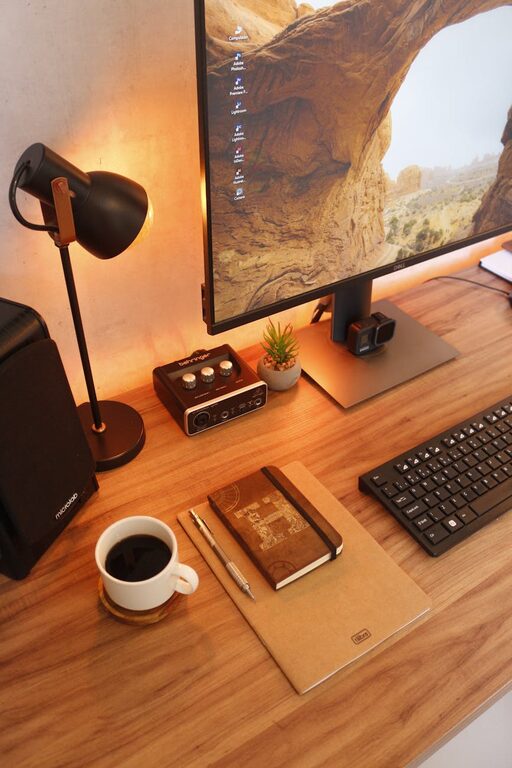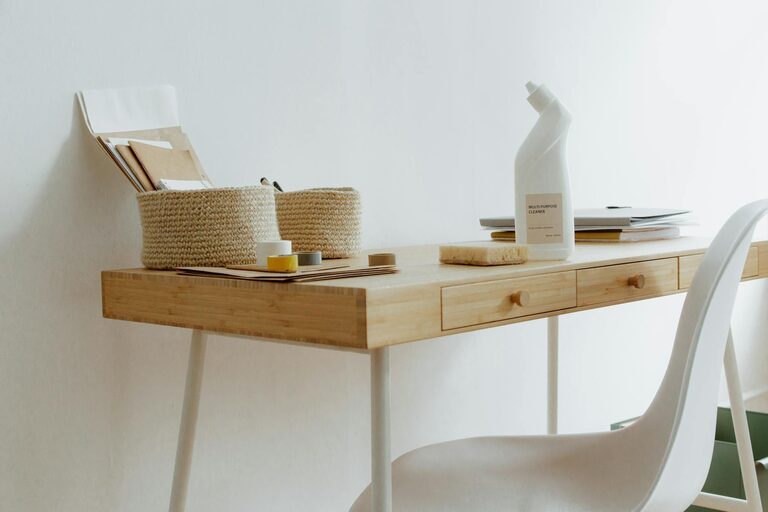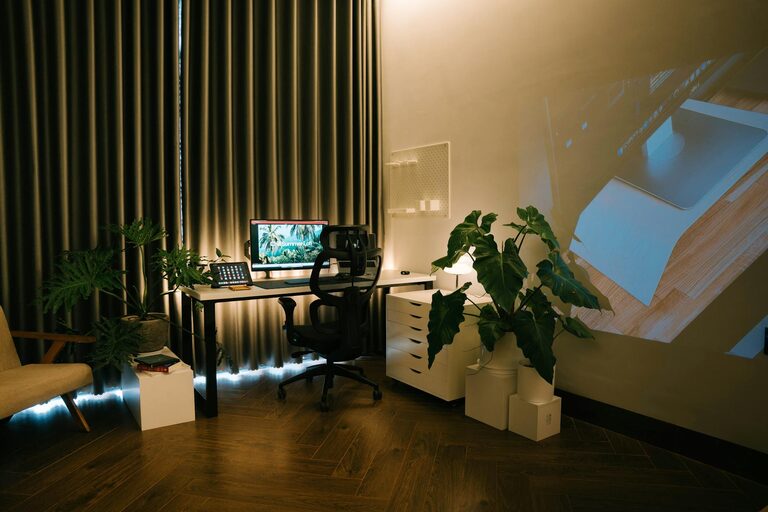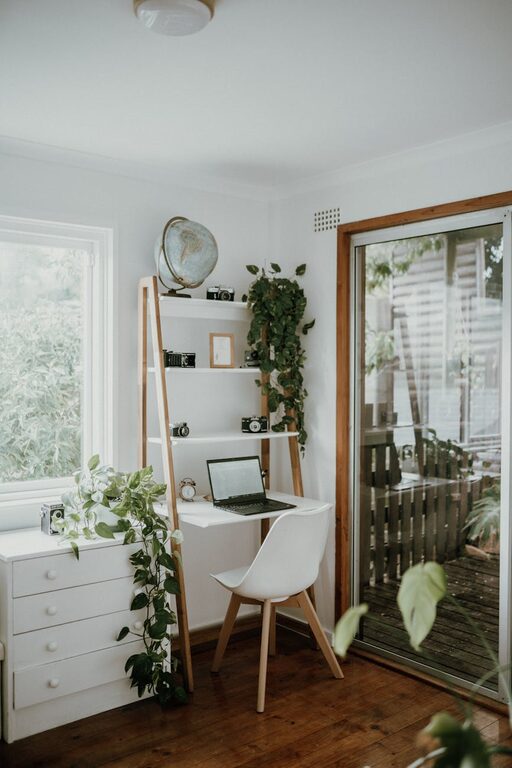
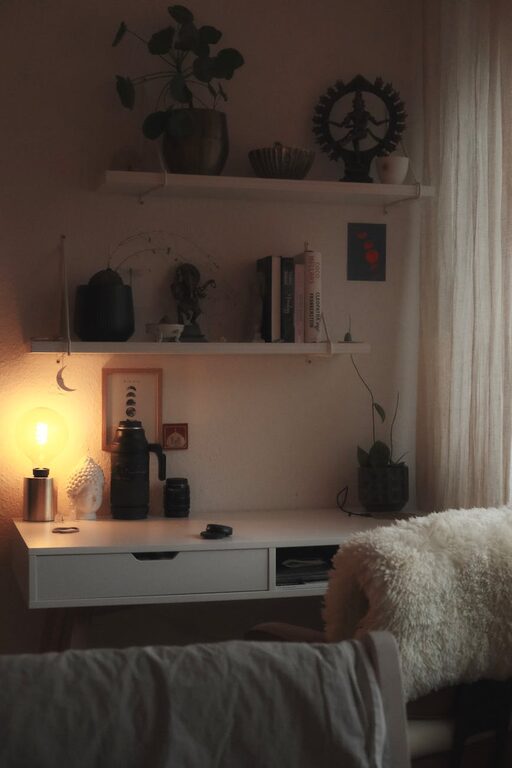
Creating a cozy and productive home workspace is essential for anyone working remotely or managing tasks from home. A well-designed workspace can improve focus, reduce stress, and help maintain a healthy work-life balance. Whether you have a dedicated room or a small corner, thoughtful planning can transform your area into an inspiring and efficient environment.
Choosing the Right Location
Selecting the right spot for your home office is the first step. Ideally, this should be a quiet area with minimal distractions. Here are some factors to consider:
– Natural Light: Places near windows provide natural light, which boosts mood and productivity.
– Privacy: Consider a space where you can avoid interruptions from family members or roommates.
– Space: Ensure there’s enough room for your desk, chair, and any equipment you need.
If space is limited, even a corner of a living room or bedroom can become a functional workspace with clever arrangement.
Investing in Ergonomic Furniture
Comfort plays a crucial role in productivity. Ergonomic furniture reduces physical strain and promotes good posture:
– Chair: Choose an adjustable chair that supports your lower back. Look for one with cushioned seating and armrests.
– Desk: Select a desk at a height where your arms rest comfortably while typing. Standing desks or adjustable options are also popular.
– Keyboard and Monitor: Use a separate keyboard and mouse, if you work with a laptop, to avoid strain. Position your monitor at eye level to prevent neck pain.
A comfortable setup helps avoid fatigue, allowing longer periods of focused work.
Optimizing Lighting
Lighting affects how well you can concentrate and avoid eye strain:
– Natural Light: Maximize natural daylight by positioning your desk near a window.
– Task Lighting: Use desk lamps with adjustable brightness for focused illumination.
– Ambient Lighting: Soft overhead lighting can create a warm and welcoming atmosphere.
Avoid harsh fluorescent lights or glare on your screen, as these can cause discomfort over time.
Organizing Your Workspace
A tidy workspace reduces distractions and helps keep you on track:
– Declutter: Remove unnecessary items from your desk. Keep only essentials like your computer, notebook, and pens.
– Storage Solutions: Use shelves, drawers, or organizers for papers, cables, and supplies.
– Cable Management: Use clips or sleeves to keep wires neat and prevent tangling.
Having a clean workspace can improve mental clarity and efficiency.
Personalizing Your Space
Adding personal touches makes your workspace more inviting and reflects your personality:
– Plants: Small indoor plants can improve air quality and add a touch of nature.
– Artwork: Hang inspiring prints or photos that motivate you.
– Accessories: Use colorful stationery, cushions, or rugs that create a cozy vibe.
While personalizing, avoid overcrowding the space, which can become distracting.
Creating a Routine and Boundaries
Establishing boundaries helps separate work from home life:
– Set Working Hours: Define when you start and end your workday to maintain balance.
– Breaks: Schedule regular breaks to stretch, walk, or relax.
– Signaling: Use signs or signals to let others know when you’re focused and should not be disturbed.
A routine keeps your workday structured and prevents burnout.
Minimizing Noise and Distractions
Noise can disrupt concentration, so try these tips:
– Noise-Canceling Headphones: Use them to block out background sounds.
– White Noise Machines: These produce ambient sounds that improve focus.
– Close Doors or Use Room Dividers: Create a physical boundary if possible.
Reducing distractions helps maintain a calm and productive atmosphere.
Using Technology to Stay Organized
Leverage tech tools to streamline your work:
– Calendar Apps: Schedule your meetings and deadlines.
– Task Management Tools: Use apps to track projects and stay organized.
– Cloud Storage: Keep your documents accessible and backed up.
Technology can simplify your workflow and save time.
—
By carefully considering location, comfort, lighting, organization, and personal touches, you can create a home workspace that feels cozy and supports your productivity. Remember, the best workspace is one tailored to your unique needs and preferences. With these tips, you are well on your way to making your home office both inviting and efficient.
About the Author