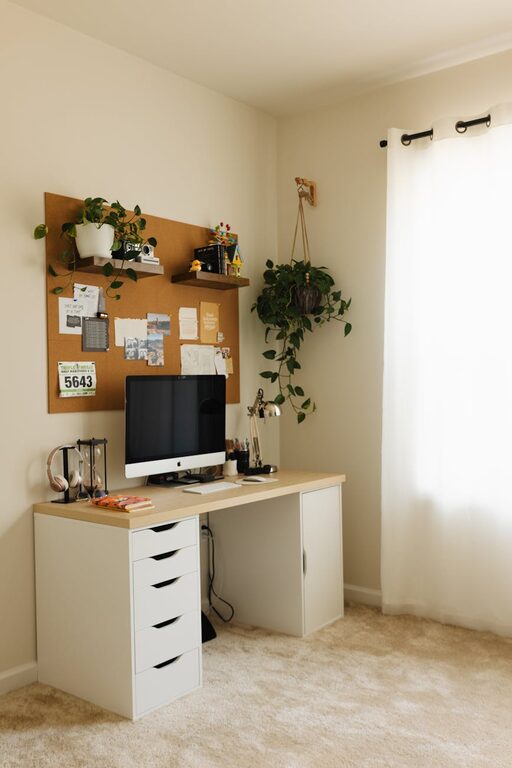
Creating a relaxing home office environment is essential for maintaining productivity and well-being while working from home. With many people spending hours at their desks, a space that feels calm, comfortable, and organized can make a huge difference in your daily work experience. In this post, we’ll explore practical tips to help you design a home office that not only looks inviting but also supports relaxation and focus.
Why a Relaxing Home Office Matters
When your workspace is stressful or cluttered, it can negatively impact your mood and concentration. On the other hand, a relaxing environment encourages creativity, reduces anxiety, and makes working more enjoyable. This leads to better performance and a healthier work-life balance.
—
1. Choose the Right Location
Start by selecting a quiet spot in your home that allows you to minimize distractions. Ideally, this space should have plenty of natural light and be away from high-traffic areas. If you don’t have a separate room, consider corners or nooks that can be dedicated to your office.
Tips for Location:
– Use a corner of your living room or bedroom with a room divider.
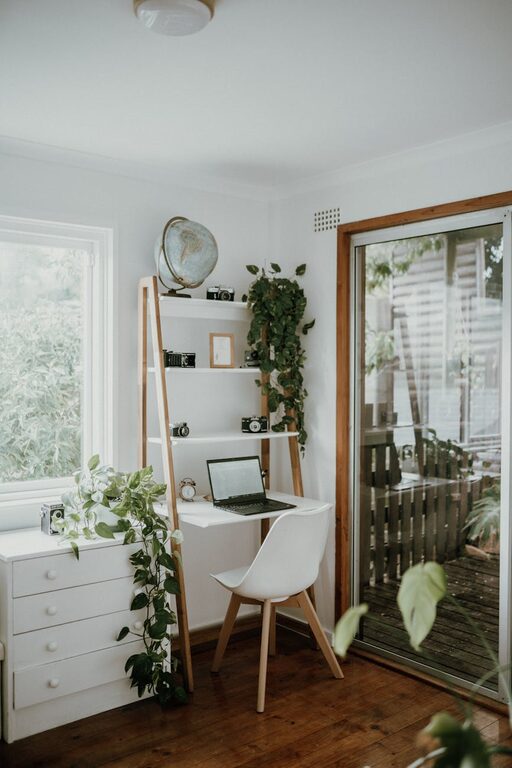
– Position your desk near a window to enjoy daylight.
– Avoid spaces near noisy appliances or heavy foot traffic.
—
2. Invest in Comfortable Furniture
Comfort plays a big role in creating a relaxed atmosphere. An ergonomic chair and a desk that suits your height help prevent physical strain, making it easier to stay comfortable during long hours.
Furniture considerations:
– Choose a supportive chair with adjustable height and good back support.
– Ensure your desk has enough surface area for your computer, documents, and a few personal touches.
– Consider a standing desk or a convertible desk if you want to alternate between sitting and standing.
—
3. Declutter and Organize
A cluttered desk can quickly lead to a cluttered mind. Keeping your workspace tidy and organized helps minimize distractions and improves focus.
Organizing tips:
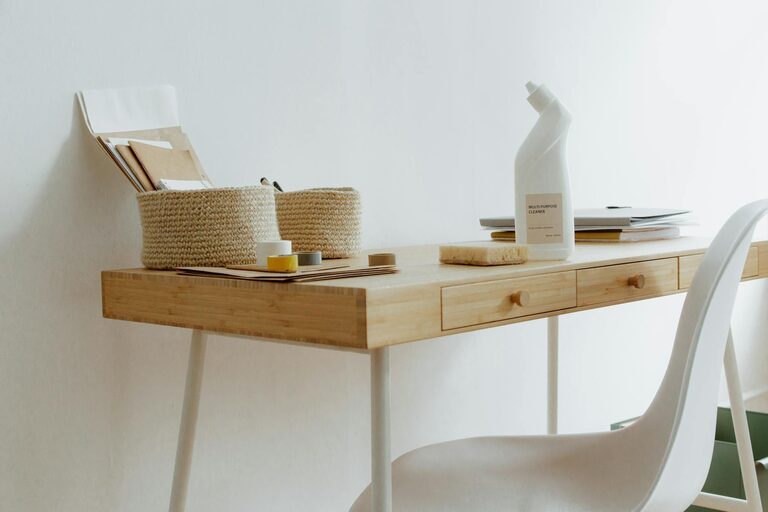
– Use storage boxes, drawers, or shelves to neatly arrange supplies.
– Keep only essential items on your desk.
– Regularly clean and clear your workspace at the end of each day.
—
4. Incorporate Soothing Colors
Colors influence mood and productivity. For a relaxing environment, choose calming hues like soft blues, greens, or neutral tones that help reduce stress.
Color suggestions:
– Paint the walls a light pastel color or use removable wallpaper.
– Add colorful accessories like cushions, rugs, or desk organizers to brighten the space without overwhelming it.
– Avoid harsh or overly bright colors that may cause eye strain or agitation.
—
5. Use Proper Lighting
Lighting affects both your productivity and comfort. Combine natural and artificial light sources to create balanced illumination that prevents eye fatigue.
Lighting ideas:
– Position your desk close to a natural light source.
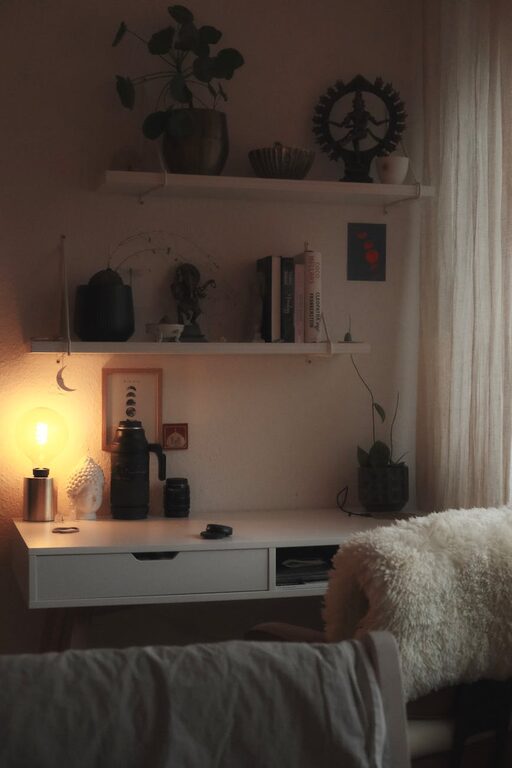
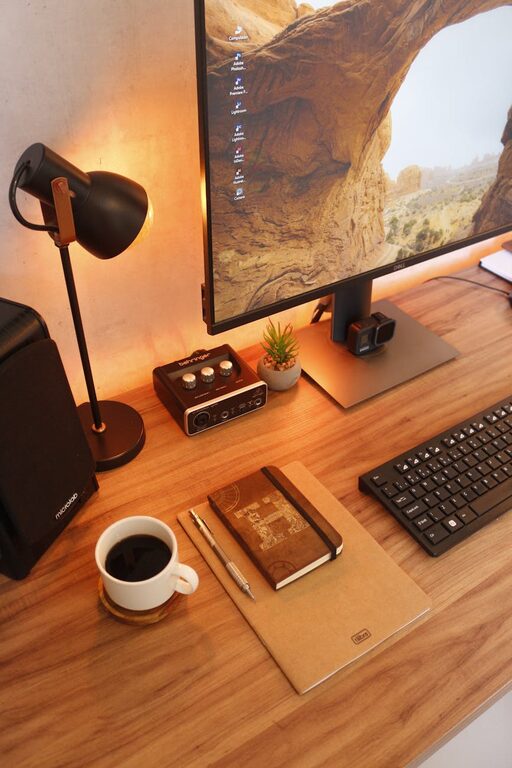
– Use adjustable desk lamps with warm light for evenings or overcast days.
– Consider soft ambient lighting to add warmth and reduce harsh shadows.
—
6. Add Personal Touches
Personalizing your office makes it feel inviting and pleasant. However, it’s important to strike a balance so that the space doesn’t become cluttered.
Ways to personalize:
– Display a few favorite photos or artwork.
– Incorporate plants to add freshness and improve air quality.
– Use decorative objects that inspire you but keep them minimal.
—
7. Bring Nature Indoors
Plants are an excellent addition to any workspace and contribute to a soothing atmosphere. They help reduce stress and increase productivity.
Plant ideas for the office:
– Easy-care options like succulents, snake plants, or pothos.
– Small pots on your desk or larger floor plants nearby.
– Consider a small herb garden for fresh scents and visual interest.
—
8. Create a Sound-Friendly Space
Noise can disrupt concentration and increase stress. Find ways to control sound where possible.
Sound control tips:
– Use noise-canceling headphones or white noise machines if you can’t avoid background noise.
– Add soft materials like rugs, curtains, or cushions to absorb sound.
– Play gentle background music or nature sounds to maintain focus.
—
9. Set Boundaries and Routines
A relaxing office also depends on how you use it. Establishing clear work routines and boundaries helps maintain a healthy balance.
Boundary tips:
– Set regular working hours and stick to them.
– Take short breaks to stretch or meditate.
– Avoid working in your home office during leisure time.
—
10. Keep Technology Organized
Messy cords and malfunctioning devices can create stress. Managing your tech setup efficiently helps reduce frustration.
Technology tips:
– Use cable organizers and clips to keep wires tidy.
– Equip your desk with necessary chargers and adapters in easy reach.
– Keep software and devices updated to avoid technical issues.
—
Final Thoughts
Creating a relaxing home office doesn’t require a major renovation; small changes can bring big improvements. By focusing on comfort, organization, lighting, and personal touches, you’ll build a workspace that supports your productivity and well-being. Remember, a peaceful environment helps you work smarter and feel better throughout your day.
Feel free to customize these suggestions to fit your style and needs, and enjoy a calmer, more enjoyable home office experience.
About the Author